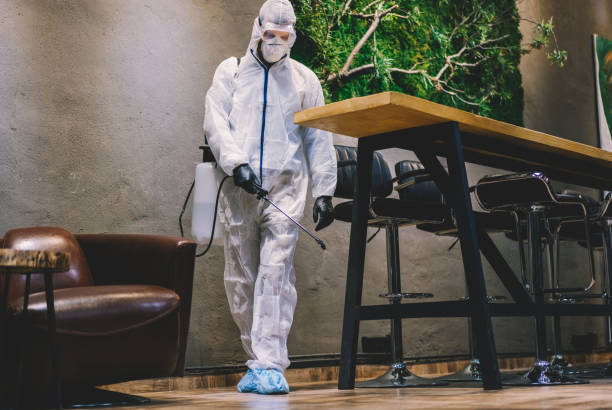
Anyone who has run a commercial kitchen knows that food tastes better when the room it comes from feels spotless. Diners in Sydney are more discerning than ever, and a single online review complaining about a sticky table or a smell drifting out of the kitchen can undo months of good cooking. That is why more restaurant owners across the city are turning to professional Restaurant Cleaning Sydney teams instead of leaving hygiene to whichever staff member has a free hour between shifts.
The Hidden Cost of a Dirty Kitchen
Grease builds up quietly. It coats extraction hoods, settles behind ovens, and creeps along tile grout until it becomes a fire hazard and a breeding ground for bacteria. Council health inspectors do not care how good your signature dish tastes if they find grime on a prep bench. Fines, forced closures and damaged reputations all start with cleaning tasks that were pushed to tomorrow one too many times.
Front of House Matters Just as Much
Customers judge a restaurant within seconds of walking in. Smudged glass doors, dusty light fixtures and stained upholstery send a message before a single plate reaches the table. A thorough cleaning routine covers the dining room with the same attention given to the kitchen, because the two spaces are really one experience in the eyes of a guest.
Compliance Without the Headache
NSW food safety regulations are detailed, and keeping up with them while also running service, managing staff and handling suppliers is a lot to ask of any owner. Bringing in a team that understands commercial kitchen standards means checklists, sanitising schedules and documentation are handled properly, so you are ready for an inspection on any given day rather than scrambling the night before.
What a Professional Clean Actually Covers
A genuine deep clean goes well beyond wiping counters. It includes degreasing exhaust canopies, descaling equipment such as dishwashers and coffee machines, sanitising cool rooms, scrubbing floor drains, and detailing walk-in fridges where mould loves to hide. Staff cleaning during service is important for spills and quick resets, but it was never designed to replace a scheduled deep clean carried out by people trained for exactly this kind of work.
Protecting Your Equipment Investment
Commercial ovens, fryers and refrigeration units are expensive, and neglect shortens their lifespan dramatically. Built-up grease reduces efficiency, forces machines to work harder, and pushes up your power bills. Routine attention from a specialist team keeps this equipment running as it should, which quietly saves money over the course of a year even though it rarely gets talked about in the same breath as marketing or menu design.
A Reputation Built on Small Details
Word of mouth still drives bookings in Sydney’s competitive dining scene. A guest who notices spotless cutlery, a fresh-smelling bathroom and a gleaming floor is far more likely to return and recommend the venue to friends. These small details rarely get a mention in a five-star review, yet their absence is exactly what shows up in a one-star complaint. Consistent standards, upheld by people who do this work every day, protect the reputation you have spent years building.
Choosing the Right Cleaning Partner
Not every cleaning company understands the pace of hospitality. The right partner works around your service hours, arrives with commercial-grade equipment, and treats your venue the way they would want their own business treated. Ask about their experience with commercial kitchens specifically, their approach to chemical safety around food areas, and whether they can scale their service if you expand to a second location.
Making Hygiene Part of Your Culture
The strongest restaurants treat cleanliness as part of the brand rather than an afterthought. Staff training, clear rosters and a trusted external team working together create a rhythm where nothing gets missed, even during the busiest trading periods. Owners who invest in this rhythm early tend to spend far less time firefighting problems later, whether that is a health inspection, a bad review or an equipment breakdown.
The Difference Between a Wipe-Down and a Deep Clean
Many venues confuse the two, assuming that a nightly wipe of benches and a mop over the floor covers everything a kitchen needs. In reality, a wipe-down handles surface-level mess while a deep clean addresses the buildup hiding underneath and behind equipment, in extraction systems, and inside appliances that rarely get moved. A restaurant that only ever does the former is essentially deferring a much bigger job indefinitely, one that eventually surfaces during an inspection or, worse, a pest infestation that could have been prevented months earlier.
Seasonal Peaks Bring Extra Pressure
Sydney’s dining scene swells around holidays, long weekends and major events, and busier trading periods naturally generate more mess, more waste and more wear on every surface in the building. Restaurants that plan ahead by scheduling additional cleaning during these peaks, rather than relying on the same routine used during quieter months, avoid the common trap of standards slipping exactly when the most customers are walking through the door and forming their first impression of the venue.
Staff Turnover and Consistency
Hospitality is known for high staff turnover, and relying entirely on rotating junior staff to maintain hygiene standards without proper oversight creates real inconsistency. A dedicated Restaurant Cleaning Sydney team offers continuity that internal rosters often cannot, because the people responsible for the deep clean are trained specifically for that task and are not distracted by the pressures of service, orders and customer interaction happening around them at the same time.
Planning Ahead Rather Than Reacting
The busiest owners tend to be the ones who leave hygiene until something goes wrong, whether that is a pest sighting, a customer complaint or an inspector at the door. Building a proactive schedule, with deep cleans booked in advance rather than arranged in a panic, gives a kitchen breathing room and means problems get caught and fixed while they are still small and inexpensive rather than after they have grown into something far more disruptive to trade. Owners who plan ahead in this way also find it easier to budget for cleaning costs, since a scheduled arrangement is far more predictable than the emergency call-outs that tend to follow a period of neglect.
Getting on top of hygiene does not need to be complicated. Restaurant Cleaning Sydney specialists exist precisely because kitchens and dining rooms need a level of care that goes beyond a nightly wipe-down. Investing in that standard protects your health rating, your equipment and, most importantly, the trust of every diner who walks through your door.